Thermal Power: Critical Role in Energy Systems and Sustainability Challenges
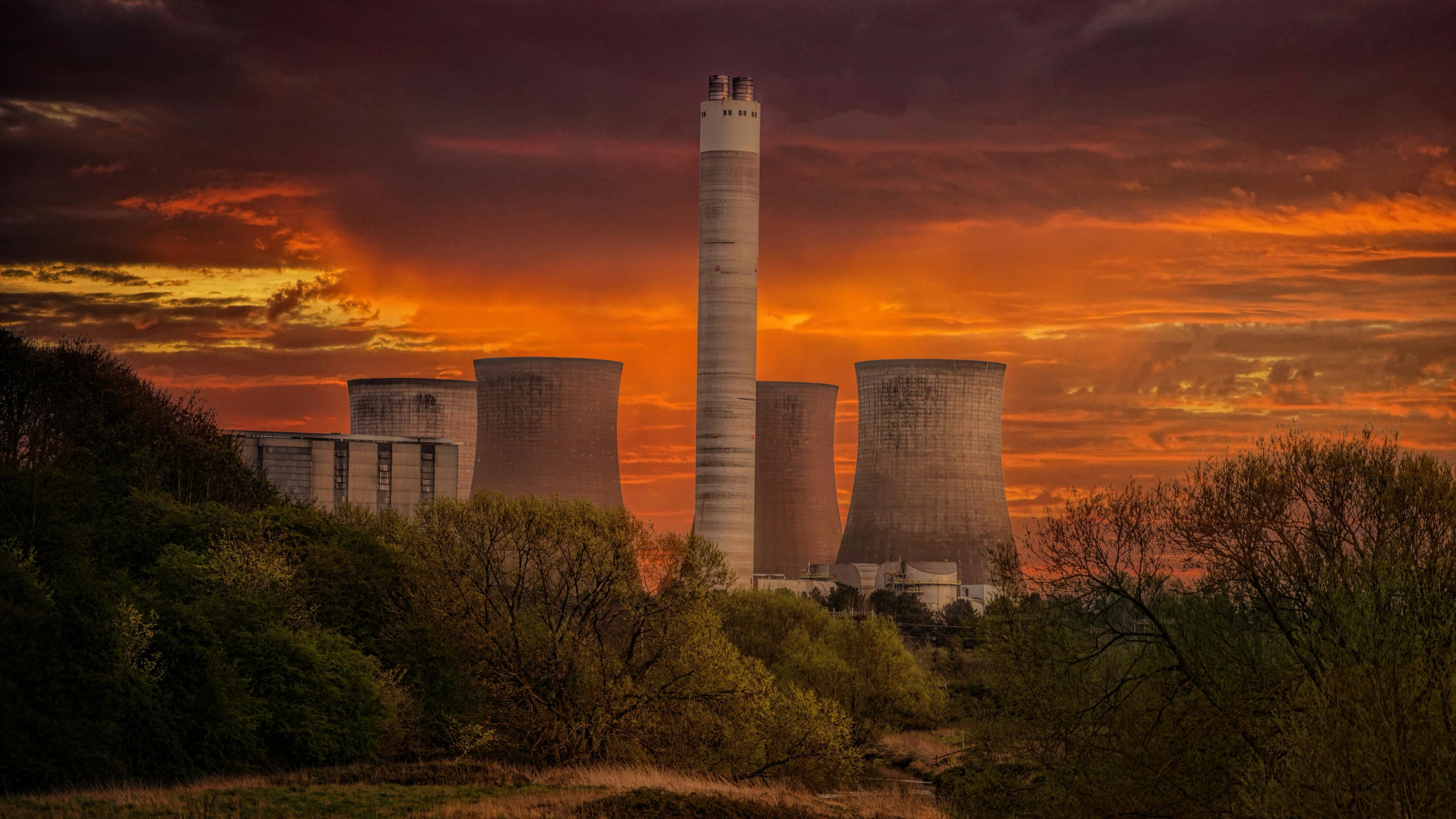
Table of Contents
Global Context and Significance of Thermal Power
In the context of increasing energy demand due to economic development and urbanization, thermal power remains a reliable electricity supply source for many countries, including Vietnam. This energy type, based on converting heat from fossil fuels like coal, natural gas, or oil into electrical energy, has contributed significantly to global growth. However, with concerns about climate change and environmental pollution, the question arises: How to balance energy security with sustainable development? Research shows thermal power accounts for about 70% of global electricity output, but environmental impacts like greenhouse gas emissions are driving the transition to cleaner energy see Carbon Brief report. In Vietnam, thermal power accounts for 56% of electricity output in 2023, supporting economic growth but also facing pollution challenges and fuel import dependence. The goal of this article is to deeply analyze the history, characteristics, advantages and disadvantages, as well as the thermal power situation in Vietnam and internationally, from multiple perspectives such as science, economics, society, and environment, to provide readers with a multidimensional view.
Deep Exploration of Thermal Power From Multiple Perspectives
Historical Formation and Evolution of Thermal Power
Thermal power originated in the 18th century with steam engines improved by James Watt, initially used for mechanical industry. By the late 19th century, this technology shifted to electricity generation, with the first central plants appearing in 1882 in New York (Pearl Street Station) and London (Holborn Viaduct), using piston engines to provide electricity to urban areas. Initial efficiency was only about 4%, limited by simple design and crude fuel combustion methods. The birth of steam turbines in 1884 by Charles Parsons revolutionized the industry, allowing construction of larger, more efficient plants, with high speed and compact size. By 1905, turbines completely replaced piston engines in large plants, such as the Manhattan railway plant with 6,000 kW capacity but 80% lighter than the old design.
After World War II, thermal power exploded globally thanks to industrialization. Coal plants spread across the US and Europe, efficiency increased thanks to superheating and high pressure. The 1960s witnessed the emergence of combined cycle gas turbines, raising efficiency to 46% at advanced fossil plants. In the US, average efficiency increased from 4% in 1900 to 39% in 2023, thanks to new materials like corrosion-resistant alloys and heat recovery systems see efficiency trends. From a scientific perspective, this progress is based on thermodynamic laws, like the Carnot cycle, helping optimize energy conversion. However, from a social perspective, this development has promoted urbanization but also created inequality, when developing countries like Vietnam must face more outdated technology. Compared to similar studies, coal efficiency is usually 10-20% lower than natural gas, leading to debates about sustainability.
Below is a summary table of important milestones:
| Milestone | Main Development | Efficiency Impact | Global Example |
|---|---|---|---|
| 1882 | First central plant (piston engine) | ~4% | Pearl Street, USA |
| 1884 | Invention of steam turbine | Increase 10-20% | English models |
| 1905 | Turbine replaces piston in large plants | Up to 25% | Manhattan Railway, USA |
| 1960s | Combined cycle gas turbine | 40-50% | Early US gas plants |
| 2000s | Supercritical technology | 45-48% | Modern Chinese/Indian plants |
| 2023 | US average efficiency | 39% | Continuous global upgrades |
Đặc Trưng Kỹ Thuật Và Phân Tích Từ Góc Nhìn Khoa Học-Kinh Tế
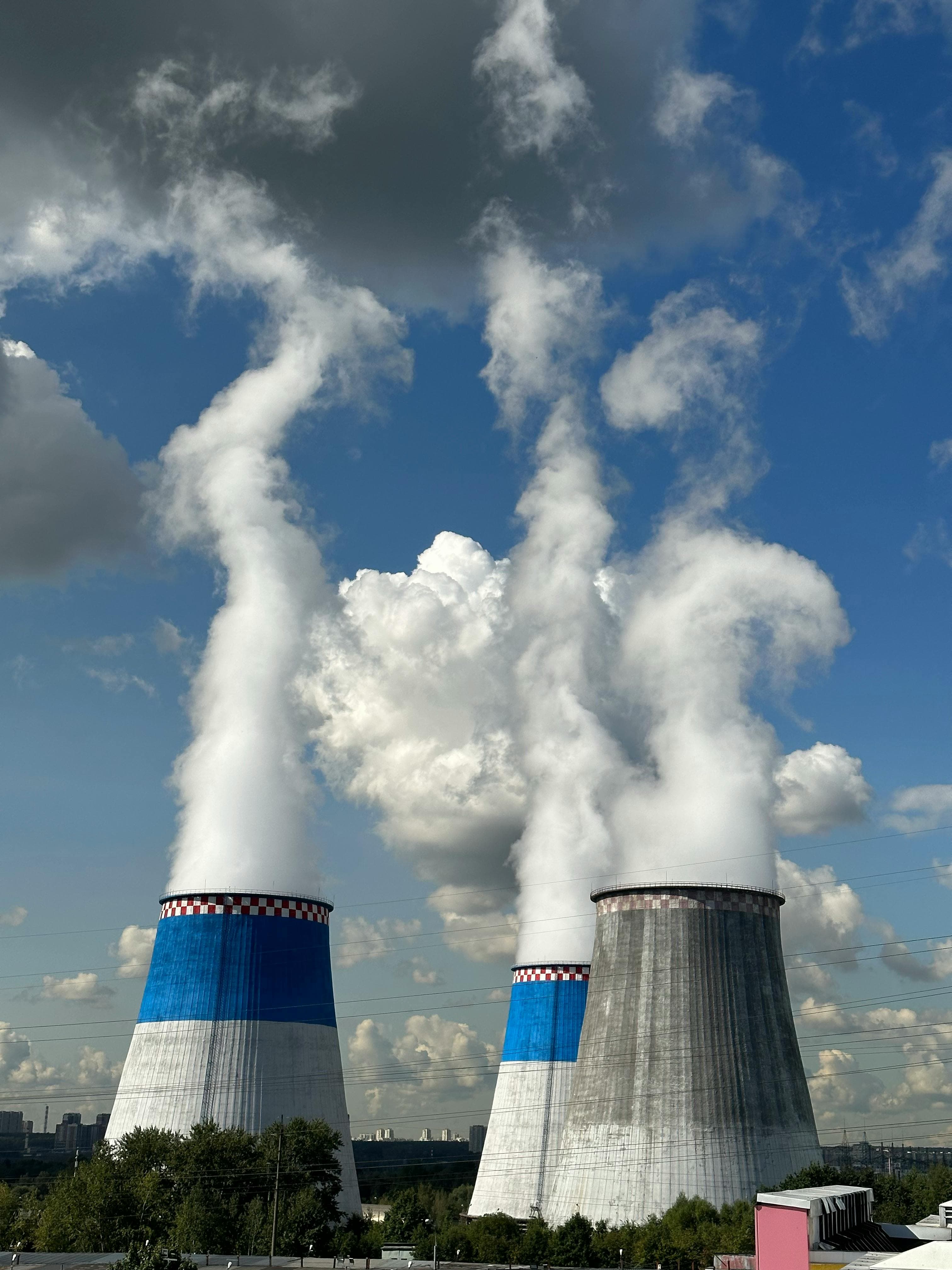
Nhiệt điện hoạt động dựa trên chu trình nhiệt động như Rankine (dựa hơi nước) hoặc Brayton (tuabin khí), nơi nhiên liệu đốt nóng nước hoặc khí để tạo hơi áp suất cao, đẩy tuabin kết nối máy phát điện. Hiệu suất dao động từ 20-35% ở tuabin khí đơn giản đến 45-48% ở nhà máy than siêu tới hạn. Các loại chính bao gồm than (phổ biến nhất), khí đốt (hiệu quả cao nhờ chu trình kết hợp), dầu mỏ và sinh khối. Từ góc nhìn khoa học, giới hạn hiệu suất Carnot khoảng 60% do mất mát nhiệt thải, nhưng thực tế thấp hơn do tổn hao cơ học. Kinh tế học, chi phí ban đầu thấp hơn thủy điện, nhưng chi phí vận hành cao do nhiên liệu, đặc biệt ở các nước nhập khẩu như Việt Nam.
Phân tích định lượng cho thấy than phát thải 800-1.200 tấn CO2/GWh, cao hơn khí đốt 40-50% (khoảng 400 tấn/GWh) xem nghiên cứu về hiệu suất môi trường. So sánh với năng lượng tái tạo, nhiệt điện cung cấp nguồn cơ sở ổn định, nhưng chi phí vận hành cao hơn 20-30% dài hạn. Từ góc nhìn kinh tế, nhiệt điện tạo việc làm trong chuỗi cung ứng, nhưng xã hội phải chịu chi phí ngoại biên như sức khỏe cộng đồng do ô nhiễm. Biểu đồ dưới đây minh họa:
| Loại Nhiên Liệu | Hiệu Suất Điển Hình | Thành Phần Chính | Ghi Chú Môi Trường |
|---|---|---|---|
| Than | 35-48% | Máy nghiền, xử lý tro | Cao CO2 (800-1200 t/GWh), SOx/NOx |
| Khí Đốt | 40-60% (kết hợp) | Hệ thống thu hồi nhiệt | Thấp CO2 (~400 t/GWh), linh hoạt |
| Dầu Mỏ | 30-40% | Máy sưởi nhiên liệu | Chi phí cao, NOx cao |
| Sinh Khối | 25-35% | Lò đốt lưới | Tái tạo nhưng bụi mịn |
Ưu Nhược Điểm Và Tác Động Xã Hội-Môi Trường
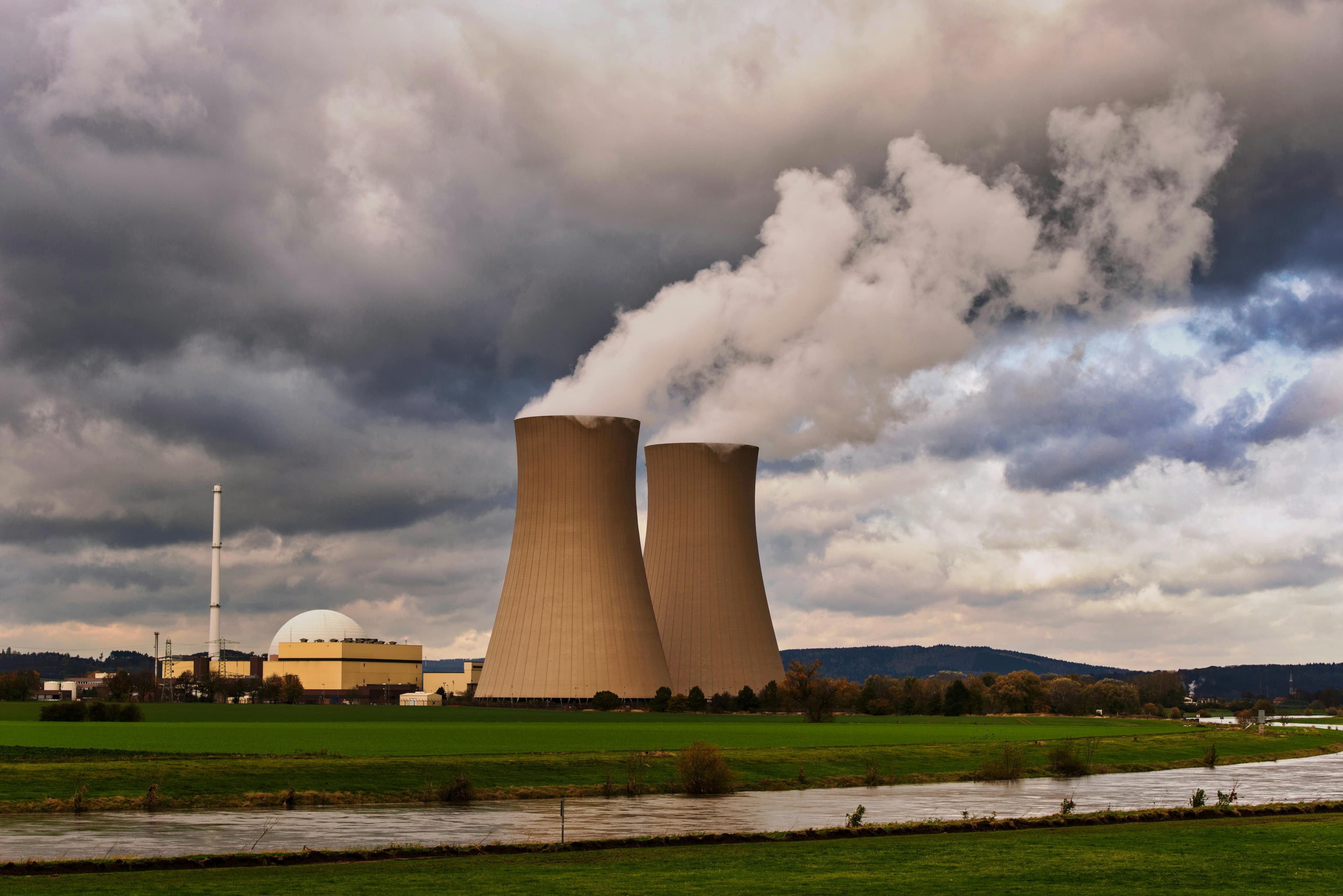
Ưu điểm của nhiệt điện bao gồm chi phí xây dựng ban đầu thấp, cung cấp nguồn cơ sở đáng tin cậy và tạo việc làm trong ngành khai thác. Ví dụ, ít tốn đất hơn thủy điện và có thể vận hành theo nhu cầu. Từ góc nhìn xã hội, nhiệt điện đã thúc đẩy tăng trưởng kinh tế ở các nước đang phát triển, như Việt Nam với tăng trưởng nhu cầu điện 8.5-9.5% hàng năm. Tuy nhiên, nhược điểm lớn là ô nhiễm cao, gây biến đổi khí hậu, mưa axit và vấn đề sức khỏe như bệnh hô hấp. So với mục trước, đặc trưng kỹ thuật giúp cải thiện hiệu suất nhưng không giải quyết hết tác động môi trường, nơi phát thải khí methane từ khí đốt làm phức tạp hóa. Phân tích đa chiều cho thấy, từ góc nhìn văn hóa, ở các cộng đồng khai thác than, nhiệt điện là biểu tượng phát triển nhưng cũng gây mất đa dạng sinh học và ô nhiễm nhiệt ảnh hưởng hệ sinh thái sông ngòi xem giải pháp giảm tác động môi trường.
Bảng so sánh:
| Khía Cạnh | Ưu Điểm | Nhược Điểm |
|---|---|---|
| Kinh Tế | Chi phí ban đầu thấp; điện theo nhu cầu | Chi phí nhiên liệu cao; chi phí ngoại biên sức khỏe/môi trường |
| Vận Hành | Nguồn cơ sở ổn định; ổn định lưới | Không linh hoạt cho đỉnh tải; mất mát nhiệt thải |
| Môi Trường | Không có (trừ CCS) | Phát thải khí nhà kính, ô nhiễm, mất đa dạng sinh học |
| Xã Hội | Tạo việc làm chuỗi cung ứng | Tác động sức khỏe (bệnh hô hấp) |
Tình Hình Nhiệt Điện Tại Việt Nam Và So Sánh Quốc Tế
Tại Việt Nam, nhiệt điện chiếm 43% công suất lắp đặt và 56% sản lượng năm 2023, chủ yếu than và khí. Phát triển từ thập niên 1990 với khí đốt (7.448 MW), bùng nổ than từ 2000. Các nhà máy chính như Vũng Áng (1.200 MW), Thái Bình 2 và Ô Môn 4. Kế hoạch thêm 6.793 MW năm 2025, nhưng thách thức là ô nhiễm và chuyển dịch theo PDP VIII xem vai trò nhiệt điện than. Từ góc nhìn kinh tế-xã hội, nhiệt điện hỗ trợ phát triển nhưng gây ô nhiễm ở các tỉnh như Hà Tĩnh.
Quốc tế, công suất than toàn cầu khoảng 2.045 GW, dẫn đầu là Trung Quốc (1.005 GW) và Ấn Độ (229 GW). Châu Âu đang loại bỏ dần, Đức đến 2038, Ba Lan đến 2049 xem tiến trình loại bỏ than châu Âu. So sánh, Việt Nam giống Ấn Độ ở sự phụ thuộc, nhưng cần học châu Âu về chuyển đổi. Thị trường nhiệt điện toàn cầu đạt 1.589 tỷ USD năm 2024, dự kiến 2.132 tỷ USD năm 2034 xem phân tích thị trường.
| Khu Vực | Công Suất (GW) | Xu Hướng Chính | Ví Dụ Nhà Máy |
|---|---|---|---|
| Trung Quốc | 1.005 (than) | Tăng trưởng chậm lại | Tuoketuo (6.720 MW) |
| Ấn Độ | 229 (than) | Hủy dự án tăng | Các dự án 8 GW+ |
| Mỹ | 246 (nhiệt) | Loại bỏ | West County (4.263 MW) |
| Châu Âu | ~100 (than) | Loại bỏ dần | Belchatow (Ba Lan, 5 GW) |
Hướng Tới Tương Lai Năng Lượng Sạch Và Bền Vững
Tóm tắt, nhiệt điện đã là trụ cột năng lượng với lịch sử phong phú, đặc trưng kỹ thuật tiên tiến và vai trò kinh tế quan trọng, nhưng nhược điểm môi trường đòi hỏi chuyển đổi. Bài học rút ra là cần cân bằng an ninh năng lượng với bền vững, qua cải tiến hiệu suất và tích hợp tái tạo. Đề xuất: Việt Nam nên đầu tư CCS, đa dạng hóa nguồn và thúc đẩy chính sách xanh; độc giả có thể ủng hộ năng lượng sạch qua tiêu dùng ý thức.
Tài liệu tham khảo:
- Nguồn tham khảo: Thermal power station - Wikipedia (2024). Truy cập tại https://en.wikipedia.org/wiki/Thermal_power_station
- Nguồn tham khảo: What is thermal power? A glance at thermal power plant - Helukabel (2024). Truy cập tại https://www.helukabel.com.vn/vn-en/what-is-thermal-power.html
- Nguồn tham khảo: Thermal Power Plants: Components & Working Principle - EE Power School (2024). Truy cập tại https://eepowerschool.com/power-generation/thermal-power-plants-components-working/
- Nguồn tham khảo: Power plant efficiency since 1900 - Visualizing Energy (2023). Truy cập tại https://visualizingenergy.org/power-plant-efficiency-since-1900/
- Nguồn tham khảo: Thermal Power Plant | Working | Advantages & Disadvantages - Engineering A2Z (2024). Truy cập tại https://www.engineeringa2z.com/thermal-power-plant-working/
- Nguồn tham khảo: Thermal power in Vietnam - Power Technology (2023). Truy cập tại https://www.power-technology.com/data-insights/thermal-power-in-vietnam/
- Nguồn tham khảo: Vung Ang power station - Global Energy Monitor (2024). Truy cập tại https://www.gem.wiki/Vung_Ang_power_station
- Nguồn tham khảo: Vietnam's National Power Development Plan For Coal-Fired Plants - Mondaq (2024). Truy cập tại https://www.mondaq.com/oil-gas-electricity/1618640/vietnams-national-power-development-plan-for-coal-fired-plants
- Nguồn tham khảo: Vai trò của nhiệt điện than trong hệ thống năng lượng quốc gia - Năng Lượng Việt Nam (2023). Truy cập tại https://nangluongvietnam.vn/vai-tro-cua-nhiet-dien-than-trong-he-thong-nang-luong-quoc-gia-23807.html
- Nguồn tham khảo: Phát triển năng lượng sạch: Xu thế và thách thức - EVN (2023). Truy cập tại https://www.evn.com.vn/d6/news/Phat-trien-nang-luong-sach-Xu-the-va-thach-thuc-6-17-25848.aspx
- Nguồn tham khảo: 1.1 Vai trò của các nhà máy nhiệt điện khí - PECC2 (2024). Truy cập tại http://trd.pecc2.com/siminardetail/111645/86
- Nguồn tham khảo: Cải cách thị trường điện Việt Nam: Những thách thức - Tia Sáng (2024). Truy cập tại https://tiasang.com.vn/dien-dan/cai-cach-thi-truong-dien-viet-nam-nhung-thach-thuc/
- Nguồn tham khảo: Mapped: The world's coal power plants in 2020 - Carbon Brief (2020). Truy cập tại https://www.carbonbrief.org/mapped-worlds-coal-power-plants/
- Nguồn tham khảo: Thermal Power Plant Market Size, Share & Analysis, 2025-2032 - Coherent Market Insights (2024). Truy cập tại https://www.coherentmarketinsights.com/industry-reports/thermal-power-plant-market
- Nguồn tham khảo: Thermal Power Plant Market Size, Share, Trends and Forecast 2034 - Zion Market Research (2024). Truy cập tại https://www.zionmarketresearch.com/report/thermal-power-plant-market
- Nguồn tham khảo: Evaluating the environmental performances of thermal power plants - ScienceDirect (2015). Truy cập tại https://www.sciencedirect.com/science/article/pii/S0959652625000277
- Nguồn tham khảo: Reducing Environmental Impact of Power Generation - MHI Solutions (2024). Truy cập tại https://solutions.mhi.com/power/decarbonization-technology/fuel-conversion-reducing-environmental-impact-of-power-generation/
- Nguồn tham khảo: Europe is halfway into closing all coal power plants by 2030 - Balkan Green Energy News (2024). Truy cập tại https://balkangreenenergynews.com/europe-is-halfway-into-closing-all-coal-power-plants-by-2030/
- Nguồn tham khảo: Varieties of coal-fired power phase-out across Europe - ScienceDirect (2019). Truy cập tại https://www.sciencedirect.com/science/article/pii/S0301421519303465
- Nguồn tham khảo: Coal phase-out - Wikipedia (2024). Truy cập tại https://en.wikipedia.org/wiki/Coal_phase-out
- Nguồn tham khảo: Top five thermal power plants in operation in China - Power Technology (2024). Truy cập tại https://www.power-technology.com/data-insights/top-five-thermal-power-plants-in-operation-in-china/
- Nguồn tham khảo: Top five thermal power plants in operation in the US - Power Technology (2024). Truy cập tại https://www.power-technology.com/data-insights/top-five-thermal-power-plants-in-operation-in-the-us/