Hydropower: Sustainable Energy Source or Environmental Challenge?
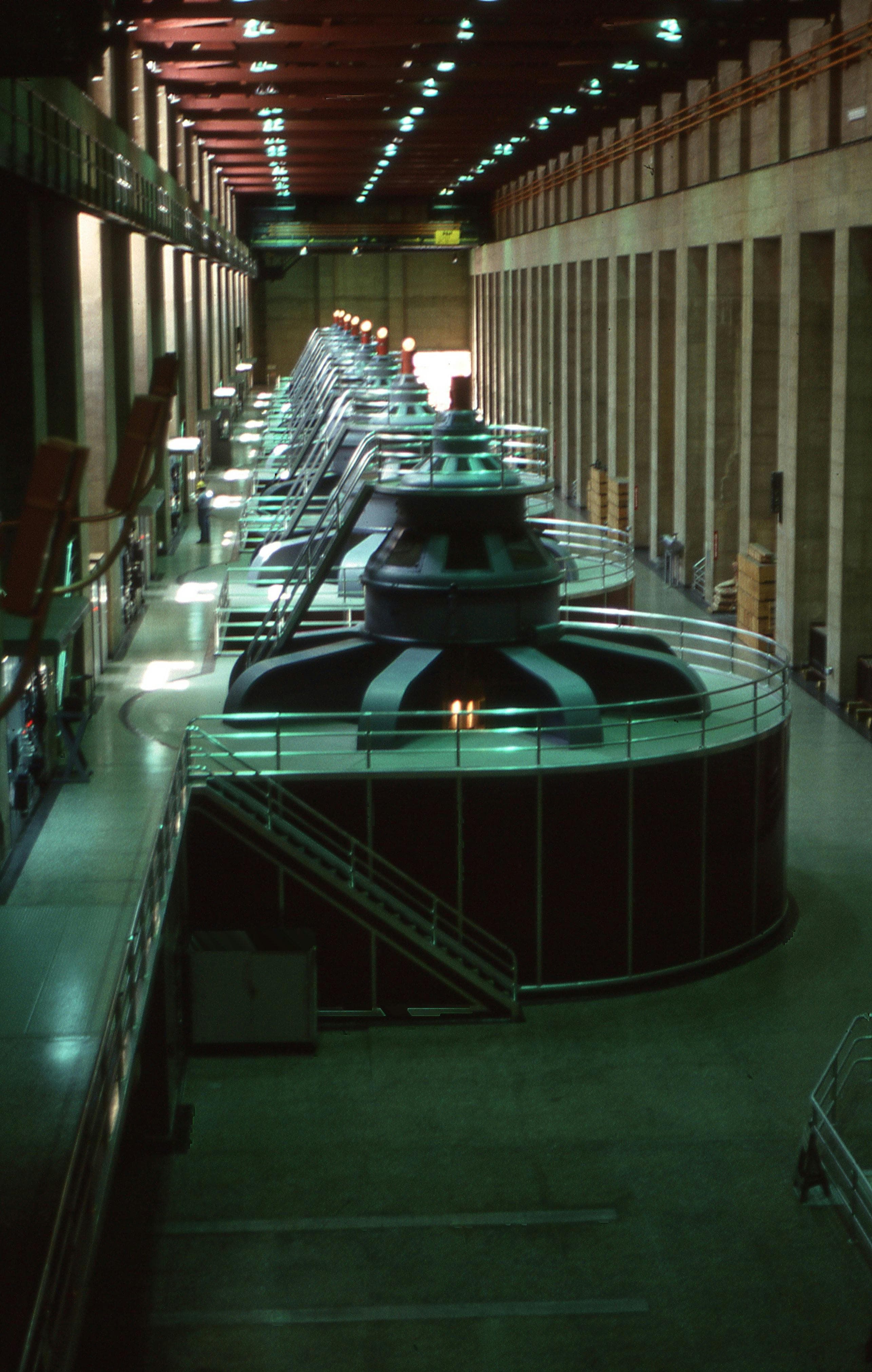
Table of Contents
Journey From Flowing Water to Electric Light
Hydropower, or hydroelectric energy, has become an indispensable part of the global energy system, especially in countries rich in river resources like Vietnam. From ancient water mills to modern giant dams, hydropower not only provides clean electricity but also contributes to flood control and agricultural support. However, in the context of increasingly severe climate change, hydropower exploitation is facing controversies about environmental and social impacts. This research aims to deeply explore the history, characteristics, benefits and drawbacks of hydropower, while analyzing the situation in Vietnam and worldwide to provide a multidimensional perspective. Have you ever wondered whether the rushing water flow is truly "green gold" for the future of renewable energy, or is it setting a trap for the ecosystem? According to a report by the International Renewable Energy Agency (IRENA), hydropower accounts for about 15% of global electricity output in 2023, helping reduce billions of tons of CO2 emissions compared to fossil fuels see IRENA 2023 report. The goal of this article is to provide a comprehensive view, based on actual data, to help readers better understand the role of hydropower in sustainable development.
Multidimensional Exploration of Hydropower
Historical Development: From Ancient Mills to Modern Giant Dams
Hydropower originates from humanity's most basic applications with water flows. Over 2,000 years ago, ancient civilizations like Greece, Rome, and China used water wheels to grind grain, pump irrigation water, and even forge metals. For example, the Archimedes screw around 200 BCE was used to lift water, while China's Han dynasty applied vertical wheels to operate hammers. These basic concepts laid the foundation for later renewable energy development.
Moving into the Industrial Revolution era, hydropower entered a new phase. In 1771, Richard Arkwright's Cromford mill in England used water power to weave cotton, marking the transition from manual labor to machinery. Important turbine inventions followed: Benoit Fourneyron's reaction turbine in 1827, the Francis turbine in 1849, the Pelton turbine in 1880, and the Kaplan turbine in 1913. These improvements enhanced efficiency, from a few horsepower to thousands of kilowatts. By the late 19th century, hydropower officially produced electricity: in 1878 at Cragside House in England, and in 1882 at Appleton, Wisconsin, USA with the first commercial plant at 12.5 kW capacity. By 1889, there were over 200 plants in the US and Canada.
The 20th century witnessed an explosion with major projects. In the US, the Hoover Dam (1936, 1,345 MW) and Grand Coulee Dam (1942, 6,809 MW) not only provided electricity but also controlled floods and irrigation. Europe, the Soviet Union, and Japan also developed strongly, especially after World War II. By the 1980s-1990s, giant dams like Itaipu (1984, 14,000 MW) in Brazil-Paraguay and Three Gorges (2008, 22,500 MW) in China appeared, but also brought environmental controversies. The World Commission on Dams report in 2000 emphasized sustainability needs, leading to the International Hydropower Association's Sustainability Guidelines in 2004 see World Commission on Dams report. From 2000 to 2017, the world added nearly 500 GW of capacity, mainly in developing countries like China (adding 6.7 GW in 2023). Compared to other energy sources, hydropower has more stable growth rates than wind or solar, but slower due to geographical limitations.
Technical Characteristics: Operating Principles and Classification
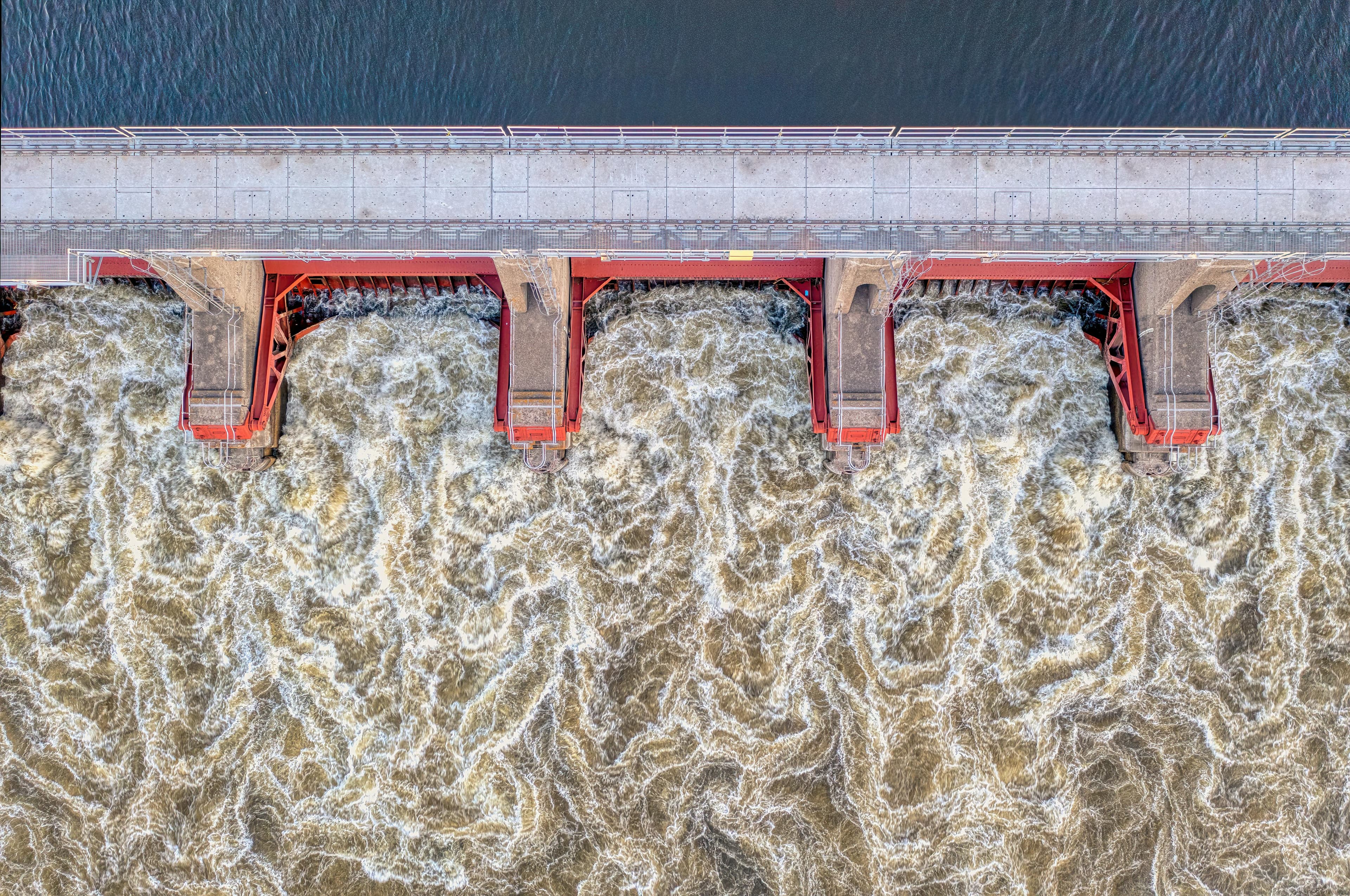
Hydropower operates based on converting the potential or kinetic energy of water into electrical energy. The basic formula is P = η × ρ × g × Q × H, where η is efficiency (usually 90%), ρ is water density (1,000 kg/m³), g is gravitational acceleration (9.81 m/s²), Q is flow rate (m³/s), and H is water head (m). This makes hydropower a flexible renewable energy source that can quickly adjust to meet electricity demand.
Main types of hydropower include: traditional dams with reservoirs to control flow; run-of-the-river hydropower with less environmental impact but dependent on natural flow; and pumped-storage hydropower operating like a "battery" for the power grid, with global capacity of about 190 GW in 2021, accounting for 85% of energy storage. Sizes vary from pico (<5 kW) for households to mega (>1,000 MW) like Three Gorges. High efficiency (90%) and long lifespan (50-100 years) are advantages, but depend on terrain and climate.
Comparison table of types:
| Type | Description | Advantages | Disadvantages |
|---|---|---|---|
| Traditional dam | Store water in reservoir | Good control, multipurpose | Large environmental impact |
| Run-of-river | Use natural flow | Less ecological destruction | Output fluctuations |
| Pumped-storage | Pump water up when excess power | Energy storage | High cost, terrain needed |
Quantitative analysis shows hydropower has an average capacity factor of 47%, higher than solar (25%) but lower than nuclear (90%). From an economic perspective, operating costs are low but initial investment is high, about 2-3 million USD/MW see EnergySage report.
Benefits and Drawbacks: Balancing Development and Sustainability
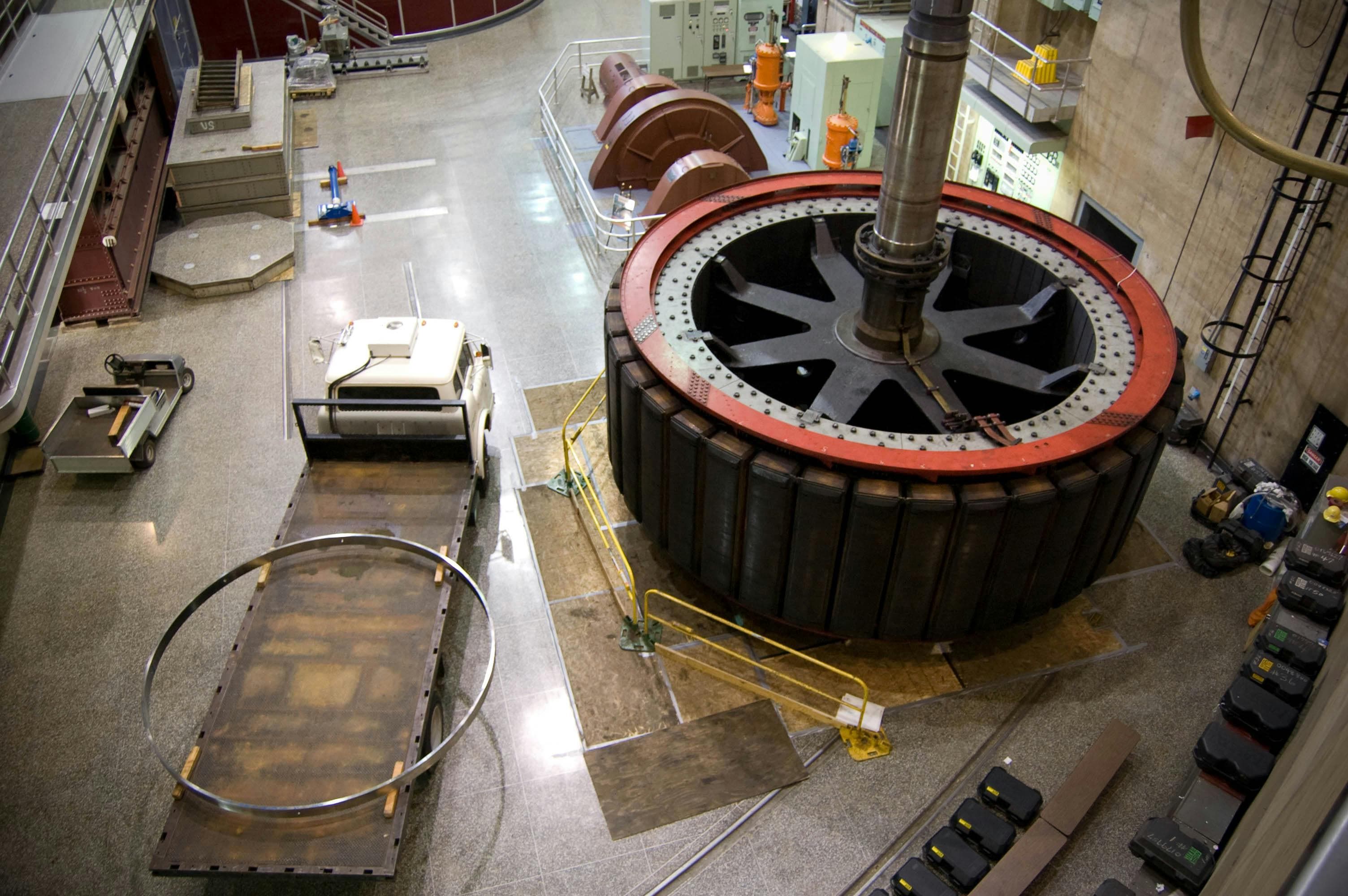
Hydropower brings many outstanding benefits but also comes with significant challenges. Regarding benefits, this is a clean renewable energy source, with low lifecycle emissions (24 gCO₂-eq/kWh), helping reduce dependence on fossil fuels and combat climate change. It is flexible, can start quickly to support the power grid, and multipurpose like flood control and irrigation. According to Earth.Org, hydropower creates jobs and promotes local economies, especially in rural areas see Earth.Org article.
However, drawbacks are equally serious. From an environmental perspective, hydropower causes ecological flooding, disrupts fish migration, and methane emissions from reservoirs (higher in tropical regions). Socially, it leads to community displacement (40-80 million people globally), loss of livelihoods. Economically, high initial costs and drought risks due to climate change. Compared to the previous section, technical characteristics bring operational benefits but amplify environmental drawbacks if not well planned.
Illustration diagram:
| Aspect | Benefits | Drawbacks | Evidence |
|---|---|---|---|
| Environment | Reduced emissions | Loss of biodiversity | Methane from reservoirs [IRENA] |
| Economics | Low long-term costs | Large investment | 2-3 million USD/MW [EnergySage] |
| Social | Flood control | Population displacement | 1.3 million at Three Gorges |
Hydropower in Vietnam: From Rapid Development to Sustainability Concerns
In Vietnam, hydropower began in the French colonial period with Red River surveys, but real development came after 1954 thanks to Soviet and Chinese support. First projects like Thac Ba (108 MW, 1972) and Da Nhim (160 MW, 1964) marked turning points. After reunification in 1975, large dams like Hoa Binh (1,920 MW, 1994), Son La (2,400 MW, 2012), and Lai Chau (1,200 MW, 2016) were built, with total capacity over 22,000 MW in 2022, accounting for 30% of electricity output see EVN overview.
Clear benefits: Rural electrification from under 3% in 1975 to nearly 100% in 2010, flood control. However, drawbacks include displacement of 200,000 people (mainly ethnic minorities), forest loss (22,340-50,000 ha), and flow changes causing droughts/floods. GHG emissions around 8.4 gCO₂-eq/kWh at some dams. According to MDPI research, the future needs limited growth, with Power Development Plan 8 limiting to 26 GW by 2030 see MDPI study.
Main project table:
| Project | Capacity (MW) | Year Operational | Notes |
|---|---|---|---|
| Thac Ba | 108 | 1972 | Soviet support |
| Hoa Binh | 1,920 | 1994 | Displaced 58,000 people |
| Son La | 2,400 | 2012 | Largest in Vietnam |
| Bac Ai | 1,200 | 2025 | Largest pumped-storage in SEA |
Global Context: Lessons From Major Projects
Worldwide, hydropower produced 4,210 TWh in 2023, accounting for 15% of electricity, with China leading (30% of global capacity). Countries like Norway (98%), Paraguay (100%), and Brazil (85%) have high dependence. Notable projects: Three Gorges (22,500 MW) in China brings flood control benefits but displaced 1.3 million people; Itaipu (14,000 MW) bilateral benefits but land flooding. Cross-border issues like Ethiopia's Grand Renaissance Dam cause controversies see WeForum article.
The future needs an additional 800 GW by 2045 for Sustainable Development Goals, focusing on sustainability. Compared to Vietnam, developed countries prioritize renovating old dams rather than building new ones.
Global project table:
| Project | Location | Capacity (MW) | Characteristics |
|---|---|---|---|
| Three Gorges | China | 22,500 | Flood control; high methane |
| Itaipu | Brazil/Paraguay | 14,000 | Main power source Paraguay |
| Belo Monte | Brazil | 11,233 | Indigenous displacement |
Future Prospects: Towards Sustainable Hydropower
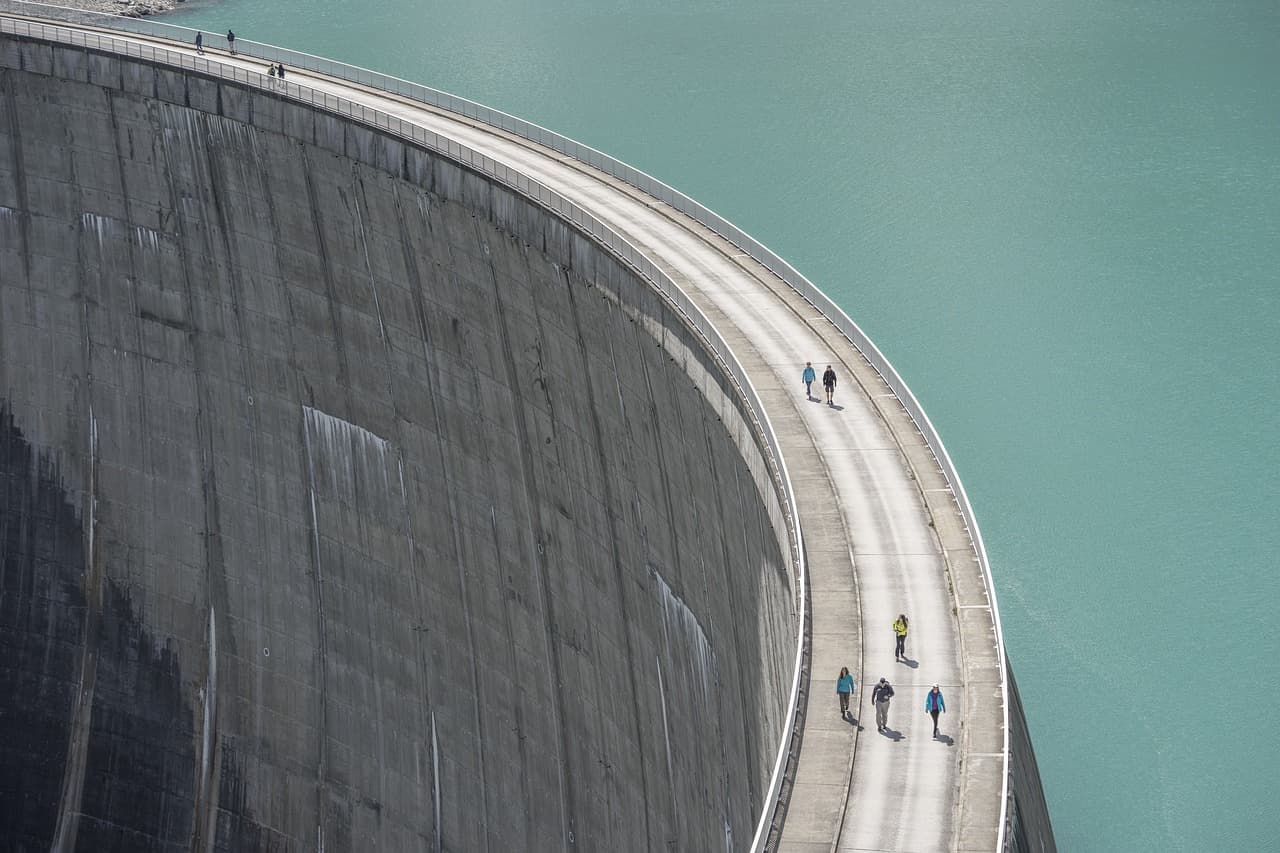
In summary, hydropower has proven its important role in energy history, with flexible characteristics and economic-environmental benefits, but ecological and social drawbacks require careful consideration. In Vietnam and globally, major projects bring electricity but also teach lessons about sustainability. To move forward, prioritize new technologies like small hydropower and pumped-storage, combined with other renewable energy, while readers can support green policies through local organizations.
References:
- Reference: U.S. Department of Energy (2023). History of Hydropower. https://www.energy.gov/eere/water/history-hydropower
- Reference: International Hydropower Association (2023). A brief history of hydropower. https://www.hydropower.org/iha/discover-history-of-hydropower
- Reference: Wikipedia (2023). Hydroelectricity. https://en.wikipedia.org/wiki/Hydroelectricity
- Reference: EnergySage (2023). The Top Pros And Cons of Hydropower. https://www.energysage.com/about-clean-energy/hydropower/pros-cons-hydropower/
- Reference: Earth.Org (2023). Examining the Pros and Cons of Hydroelectric Energy. https://earth.org/pros-and-cons-of-hydroelectric-energy/
- Reference: Vietnam Electricity (EVN) (2023). Overview of hydropower in Vietnam. https://en.evn.com.vn/d6/news/Overview-of-hydropower-in-Vietnam-66-163-1514.aspx
- Reference: MDPI (2023). We Have Eaten the Rivers: The Past, Present, and Unsustainable Future of Hydroelectricity in Vietnam. https://www.mdpi.com/2071-1050/15/11/8969
- Reference: World Economic Forum (2022). These are the world's largest hydroelectric dams. https://www.weforum.org/stories/2022/12/worlds-largest-hydroelectric-dams-renewable-energy/
- Reference: IRENA (2023). Renewable Energy Statistics 2023. https://www.irena.org/Publications/2023/Jul/Renewable-energy-statistics-2023
- Reference: World Bank (2000). World Commission on Dams Report. https://www.worldbank.org/en/news/feature/2000/11/16/world-commission-on-dams-report